
Understanding Jueteng: A Cultural Phenomenon in the Philippines
Jueteng is a popular but illegal numbers game in the Philippines, deeply embedded in the country's socio-cultural fabric. Despite its illegal status, jueteng continues to thrive across various communities, largely due to its deep cultural roots and the allure of quick financial gain. Often operating in the shadows, this numbers game has become a touchstone of legal and political challenges, forcing authorities to grapple with its pervasive nature and societal implications.
The Mechanics of Jueteng
Jueteng, derived from the Chinese characters for 'flower' (ju) and 'bet' (teng), involves betting on numbers between 1 and 37. Players place their bets by selecting a combination of two digits, and the winning combination is usually drawn multiple times a day. This simplicity and frequency create an environment where thrill and excitement keep players continuously engaged.
The game operates through a network of collectors, also known as 'kubrador,' who gather bets from participants and forward them to an overarching coordinator or 'cabo.' The cabo is responsible for tallying the bets and payouts, often providing a sense of organization akin to legitimate business operations. This organized structure allows jueteng to run smoothly across provincial and urban settings alike.
The Socio-Economic Impact of Jueteng
For many in the Philippines, jueteng serves not just as a form of entertainment, but also as a potential avenue for escaping poverty. In areas where economic opportunities are sparse, the lure of a winning bet and the chance for financial improvement become irresistibly appealing. Thus, the socio-economic conditions prevalent in certain regions facilitate the game's persistence.
However, this ties into the broader issue of economic disparity within the country. Jueteng reflects an underlying gap wherein dreams of upward mobility are limited by external circumstances, including unemployment and inadequate social services, pushing individuals towards these informal economic activities.
Legal and Political Challenges
The persistent nature of jueteng presents significant challenges for law enforcement and political entities. Its illegality complicates the government's task of regulation, often placing local officials in difficult positions. Despite numerous law enforcement efforts, including raids and arrests, jueteng continues to flourish, often due to alleged protection from corrupt politicians and officials, further complicating legal procedures.
This conundrum has made jueteng a potent topic within political debates, as officials grapple with the balance between enforcement and potential legalization. Some argue that legalizing the game could bring economic benefits through taxation and regulation, while others believe it would only endorse an already pervasive issue.
Cultural Significance of Jueteng
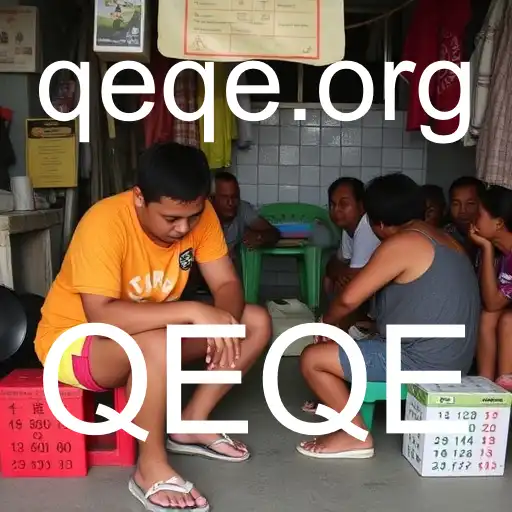
Beyond its economic and political dimensions, jueteng holds cultural significance. It is deeply intertwined with Filipino traditions, often seen as a social activity that brings communities together. The game has even influenced Filipino media, being a recurring theme in films and literature, thus embedding itself into the national consciousness.
The traditional aspect of jueteng signifies a cultural dichotomy—while being illegal, it is simultaneously a part of how community bonds form and solidify. Stories of the local 'suki' or favorite bettor winning a hefty sum often circulate in community narratives, keeping the spirit and customs of the game alive.
Modern Efforts and the Future of Jueteng
Efforts to combat or integrate jueteng continue to evolve. There have been trials aiming to direct the popularity of jueteng into more acceptable frameworks, such as government-sanctioned games similar in nature. Nonetheless, whether through stricter law enforcement or reimagination into legal forms, the game’s lineage proves resilient.
Ultimately, jueteng's persistence underscores a broader discussion around economic empowerment, governmental influence, and cultural autonomy. It remains a vibrant component of Philippine life, balancing precariously at the intersection of tradition and modernity.